
Introduction
The marketing landscape is evolving at an unprecedented pace. The convergence of technology, psychology, and creativity has transformed how brands communicate with their audiences.
As we move into 2025, understanding marketing insights—the deeper motivations, preferences, and behaviors of consumers—has become the most powerful advantage a marketer can have.
This article highlights the most significant marketing insights for 2025 that businesses, researchers, and students should embrace to stay ahead in an increasingly data-driven world.
1. The Shift from Data Collection to Insight Generation
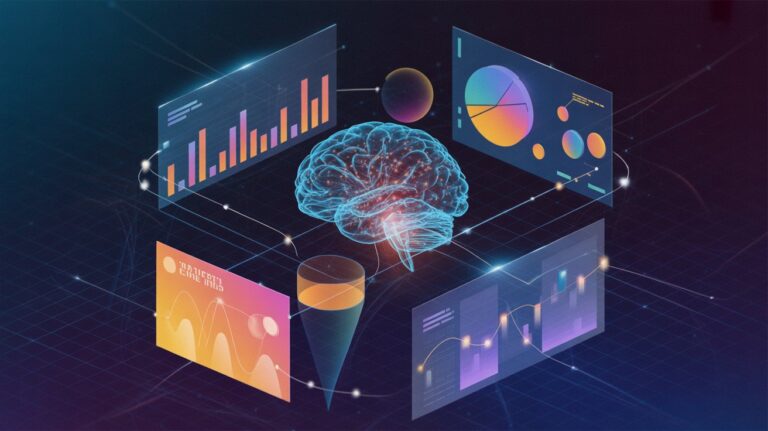
While brands have gathered massive amounts of customer data for years, the true challenge now lies in turning data into meaningful insights.
In 2025, successful marketers will focus less on collecting information and more on interpreting it to predict trends, personalize experiences, and design better products.
💡 Example: Companies using predictive analytics tools (like Google Analytics 4 or HubSpot AI) can forecast customer needs and optimize campaigns before trends even emerge.
2. Emotional Intelligence in Marketing
Beyond numbers and algorithms, emotion remains the strongest driver of consumer decisions.
Marketers who understand emotional triggers—trust, nostalgia, belonging, and aspiration—are creating deeper brand loyalty.
In 2025, brands are expected to move away from generic advertising toward human-centered storytelling that reflects empathy and shared values.
🩵 Insight: Campaigns that combine emotion with purpose (such as sustainability or inclusion) outperform purely promotional ones by up to 30%.
3. The Integration of AI with Human Creativity
Artificial Intelligence is not replacing marketers—it’s amplifying their creativity.
From AI-assisted copywriting to automated audience segmentation, AI in marketing is enabling professionals to focus on strategy rather than repetitive tasks.
However, the real magic happens when AI’s precision meets human intuition.
An AI tool can tell you what content performs best—but only a marketer can craft the story that moves people.
🎯 Tip: Use AI to analyze performance data and trends, but let human insight guide your brand voice and authenticity.
4. The Rise of Micro-Communities
Consumers are seeking more authentic, niche connections. Instead of mass marketing, brands are engaging with micro-communities on platforms like Discord, Reddit, and specialized Facebook or WhatsApp groups.
These smaller communities allow marketers to:
Test ideas before large-scale launches
Build strong brand advocates
Receive unfiltered customer feedback
💬 Example: Beauty and gaming brands now run exclusive micro-groups for product discussions, building genuine relationships that turn into loyalty.
5. Sustainable and Responsible Branding
Modern consumers care as much about why a brand exists as what it sells.
In 2025, sustainability, inclusivity, and transparency have moved from optional to essential.
Brands that communicate their ethical practices and community engagement—such as eco-friendly packaging or educational CSR initiatives—gain both credibility and emotional connection.
🌱 Pro Insight: Storytelling that highlights real impact (not just claims) resonates deeply with the socially conscious consumer.
6. The Power of Real-Time Marketing Analytics
Real-time dashboards are reshaping marketing decisions. Instead of waiting for monthly reports, marketers now monitor live metrics—engagement, conversions, and audience sentiment—allowing instant campaign adjustments.
With the growing use of AI-powered tools and CRM integration, marketing analytics is not just measuring performance but actively shaping it.
📊 Example: A retail brand can instantly shift ad spending to a region where engagement is peaking—maximizing ROI.
7. Education Meets Industry
An emerging insight for 2025 is the blending of academia and industry.
Marketing education is becoming more experiential—students are analyzing real campaigns, using data dashboards, and collaborating on social media strategy.
As a marketing academic, I believe bridging classroom learning with market realities prepares students to think strategically and act innovatively in their professional careers.
Conclusion
Marketing in 2025 is defined by insight, empathy, and adaptability.
Data and technology offer immense power—but success comes from understanding people.
Brands that blend human connection with intelligent technology will thrive in the coming decade.
Whether you are a business leader, researcher, or student, the key takeaway is simple:
“The future of marketing belongs to those who listen, learn, and evolve continuously.”